 |
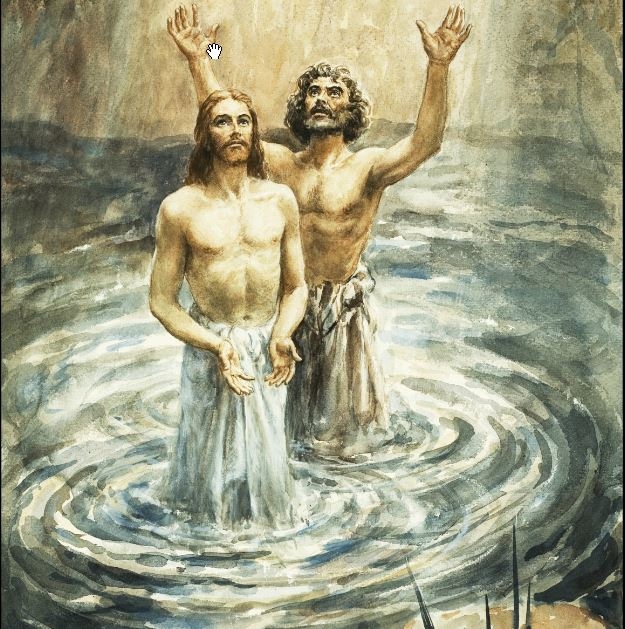
| St. John the Baptist and Christ Matthew 3:13-17 |
From a sermon by Saint Augustine, bishop
The Voice of one crying in the wilderness
The Church observes the birth of John as a hallowed event. (Birth of St. John the Baptist Feast Day June 24th).
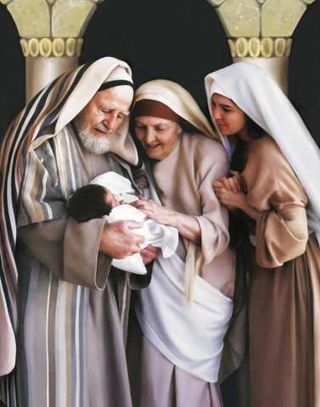 |
| John the Baptist's birth |
We have no such commemoration for any other
fathers; but it is significant that we celebrate the birthdays of John and
Jesus. This day cannot be passed
by. And even if my explanation does not
match the dignity of the feast, you may still meditate on it with great depth
and profit.
John was born of a woman too old for childbirth; Christ was
born of a youthful virgin. The news of
John’s birth was met with incredulity, and his father was struck dumb. Christ’s birth was believed, and he was
conceived through faith.
Such is the topic, as I have presented it, for our inquiry
and discussion. But as I said before, if
I lack either the time or the ability to study the implications of so profound
a mystery, he who speaks within you even when I am not here will teach you
better; it is he whom you contemplated with devotion, whom you have welcomed
into your hearts, whose temples you have become.
John, then, appears as the boundary
between the two
testaments,
the old and the new.
That he
is a sort of boundary the Lord himself bears witness, when he speaks of the law and the prophets until John the
Baptist. Thus he represents times
past and is the herald of the new era to come.
As a representative of the past, he is born of aged parents; as a herald
of the new era, he is declared to be a prophet while still in his mother’s womb
at the arrival of blessed Mary.
 |
| The Visitation |
In that
womb
he has already been designated a prophet,
even before he was born,
it is
revealed that he was to be Christ’s precursor, before they ever
saw one another.
These are divine happenings going beyond the
limits of our human frailty. Eventually
he is born, he receives his name, his father’s tongue is loosened. See how these events reflect reality.
Zechariah is silent and loses his voice until John, the precursor
of the Lord, is born and restores his voice.
The silence of Zechariah is nothing
but the age of prophecy lying
hidden,
obscured, as it were, and concealed
before the preaching of
Christ.
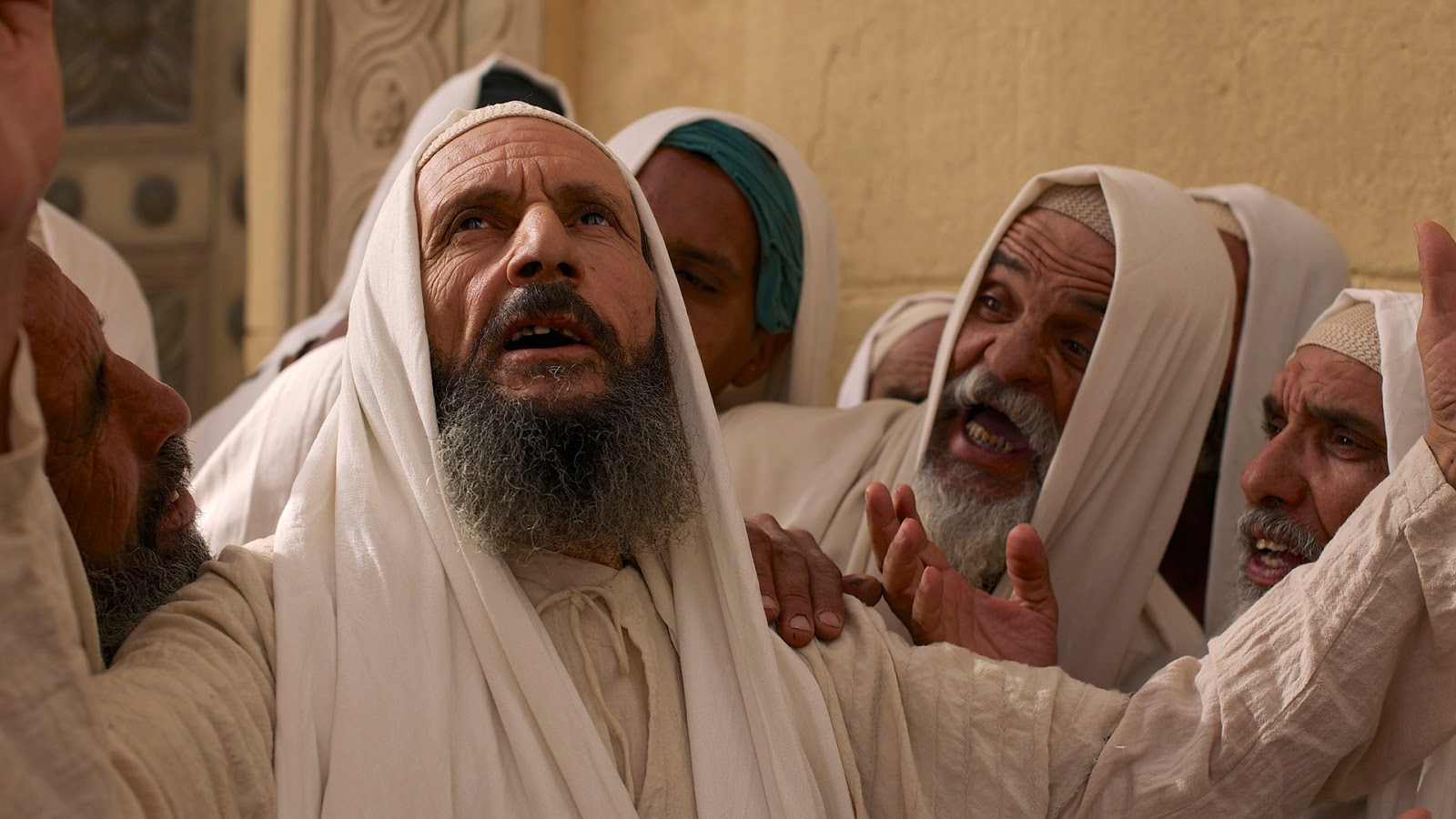 |
| Zechariah regains his voice |
At St. John’s arrival Zechariah’s
voice is released, and it becomes clears at the coming of the one who was
foretold. The release of Zechariah’s
voice at the birth of John is a parallel to the rending of the veil of Christ’s
crucifixion.
If John were announcing his
own coming, Zechariah’s lips would not have been opened. The tongue is loosened because a voice is
born. For when John was preaching the Lord’s coming he was asked:
Who are you? And he replied: I am the voice of one crying in
the wilderness.
The voice is John,
but the Lord in the beginning was the
Word.
 |
| St. John the Baptist preaching |
only for a time;
Christ, the Word in the beginning, is eternal.


